Roofing Contractor and Roof Repair in Greenville, SC
Shingle repairs, leak tracing and new roofs for Greenville houses, from the old Textile Crescent mill streets to the porches of Pettigru and Hampton-Pinckney.
Bulldog Roofing Upstate covers Greenville and the rest of Greenville County for roof repair, leak repair and shingle roof replacement, along with free inspections. Greenville is the county seat, with 70,720 people at the 2020 census, and its roofs run from small frame mill houses to tall two-story homes on the historic streets near Main.
A century ago Greenville called itself the Textile Center of the South. By the 1930s a ring of sixteen major cotton mills and two finishing plants stood within about three miles of downtown, a ring people now call the Textile Crescent. Poe, Monaghan, Brandon, Woodside, Judson and Dunean each came with a village of worker houses. Several mills have since become loft apartments, but the streets of houses around them are still neighborhoods, and their roofs have aged the way old roofs do.
Closer to the center, the city recognizes seven historic districts: Colonel Elias Earle, East Park Avenue, Hampton-Pinckney, Heritage, Overbrook, Pettigru and West End. Hampton-Pinckney became the first of them on the National Register in 1977, and most of the Pettigru houses went up between 1910 and 1930. On streets like these, a roof repair has to respect how the house was built, and it is worth asking the city about any review rules before changing the look of a roof.
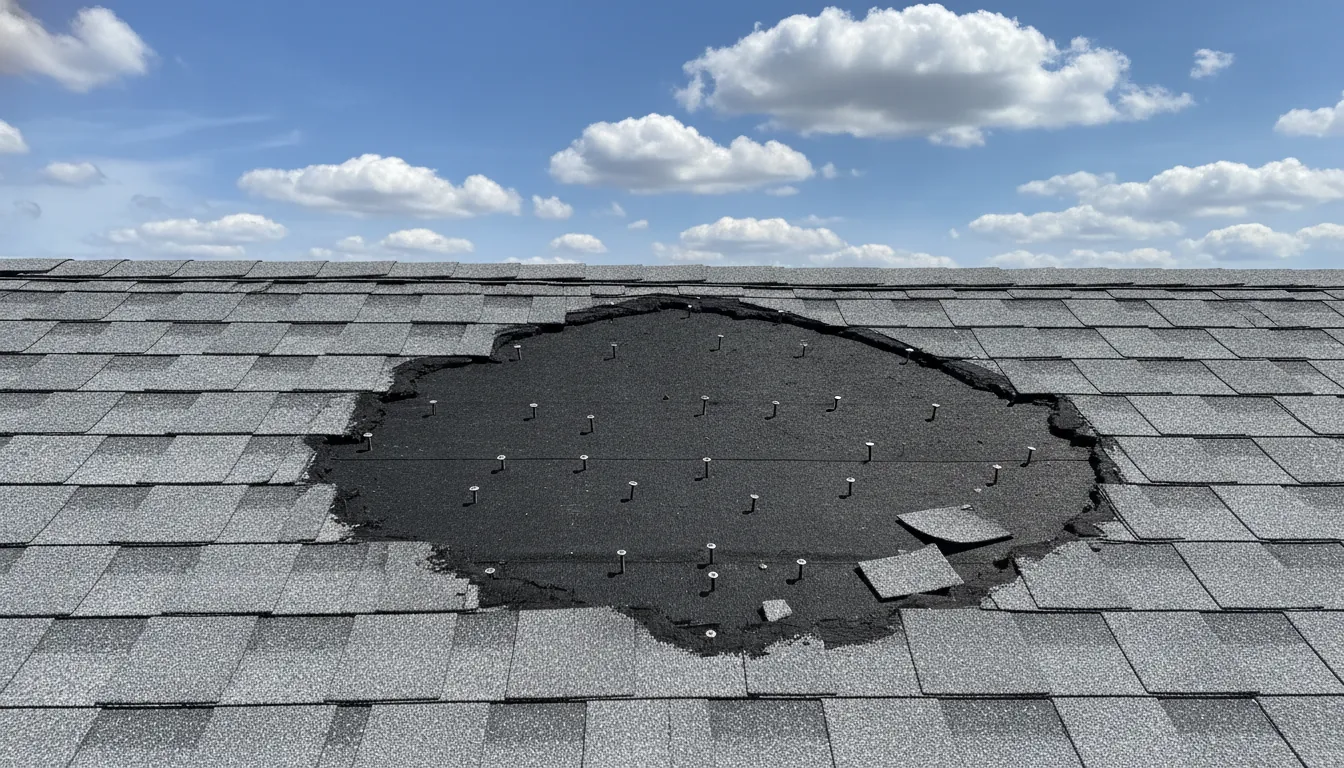
Many roof problems start as one: shingles lifted by a gust, a pipe boot split by the sun, or flashing that has pulled away from a chimney or a wall. We repair the damaged area, match the shingles as closely as we can, and look over the rest of the roof so nothing else catches you out.
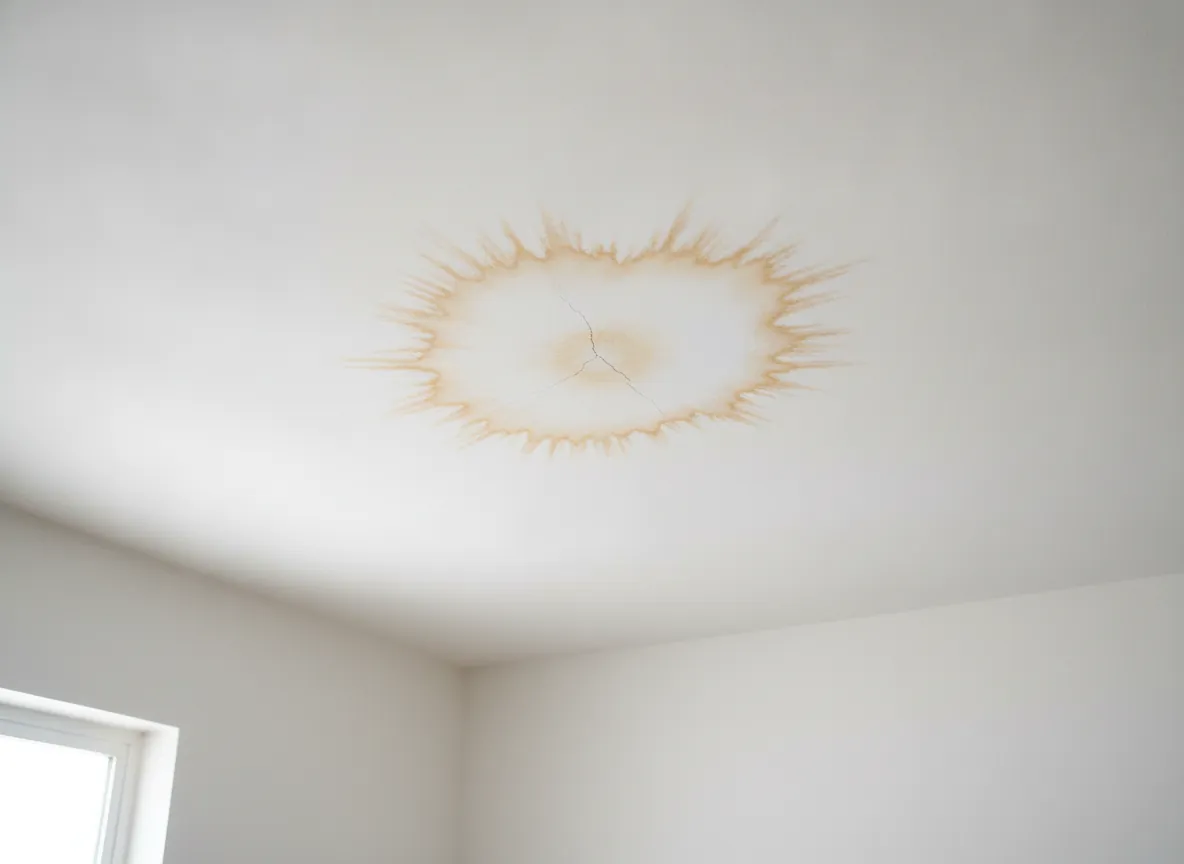
On older Greenville houses with dormers, porches and add-on rooms, there are a lot of places for water to get in. Leaks show up far from where they start because water runs along the decking first. Finding the real entry point is most of the job, and it is why a leak patched in the wrong place keeps coming back.
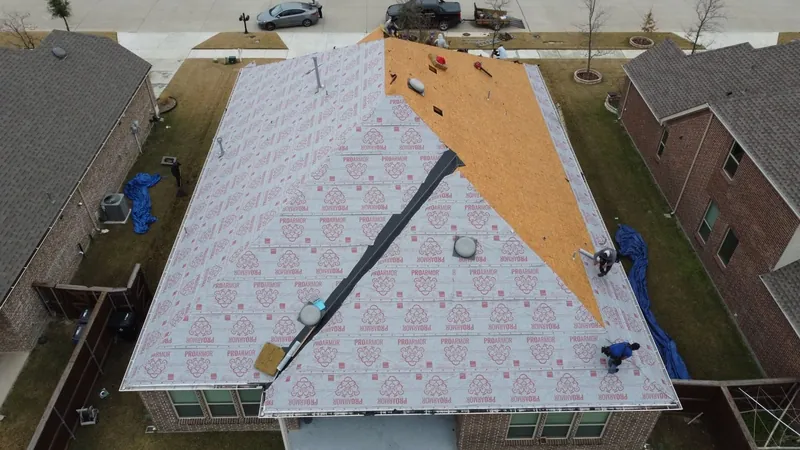
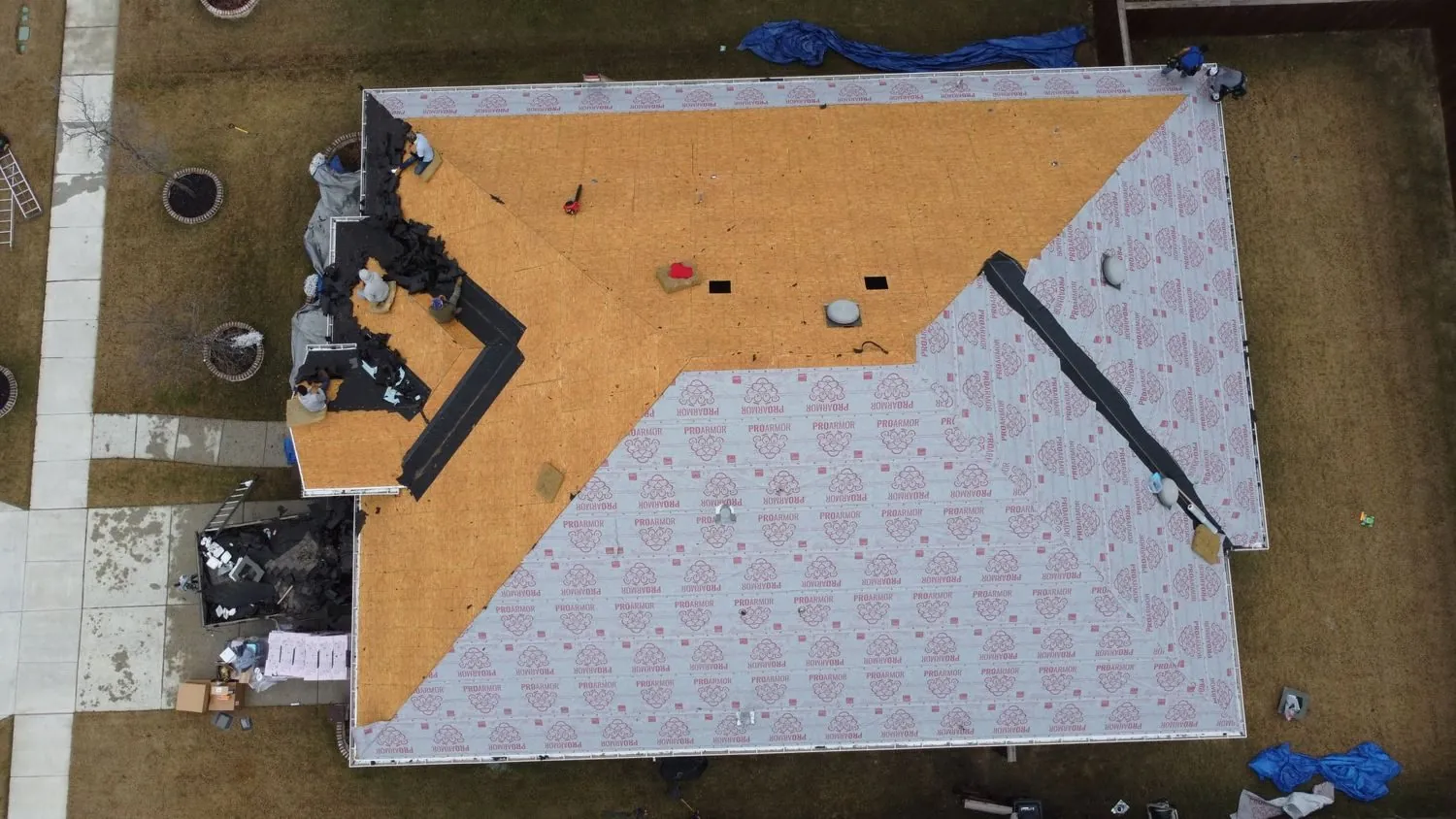
When a roof is near the end of its life, repairs can turn into a money pit. A replacement starts with stripping to the decking, the time to check each board, and then new underlayment, drip edge, flashing and architectural shingles, with ventilation at the ridge and eaves. The agreed scope spells out what gets replaced.
Greenville homeowners can also book storm damage repair, and the full list of six services is on our services page.
Mill Village Roofs Around the Textile Crescent
Mill houses were built simply, to a few standard plans. Many are one story with a plain gable or hip roof, a low pitch and short overhangs, and decking made of the boards that were on hand at the time. Over the years they collected room additions, enclosed porches and roofs layered over roofs.
That history matters when water shows up inside. A tie-in where a 1970s addition meets a 1910s roof is a classic leak point, and two or three old layers of shingles can hide soft decking until someone strips them off. On a low-slope section, shingles shed water more slowly, so worn granules and lifted tabs matter more than they would on a steep roof.
Around the redeveloped mills, newer townhomes and infill houses sit beside the originals. Those roofs are younger and often steeper, with more valleys and wall tie-ins, and their weak spots are usually the flashing details rather than worn-out shingles.
Trees, Storms and Greenville Weather
The Reedy River runs through the middle of Greenville, the Swamp Rabbit Trail runs from downtown out to Travelers Rest, and Paris Mountain rises on the north side. Older neighborhoods have big hardwoods and pines that shade roofs, hold moisture and drop limbs and needles into valleys.
Spring and summer thunderstorms bring gusty wind and, now and then, hail. A roof can lose a handful of shingles in one storm and look fine from the street, which is why it pays to have someone get up and look after a rough night. If the wind took a tree down onto the house, start with our guide to storm damage roof repair.
Whether a permit comes from the City of Greenville or from the county depends on which side of the city limits you live, and a house in one of the preservation overlay districts can face design review on top of that. Before a replacement, it is worth confirming that for your address. If you are only weighing the options, a free roof inspection is the easy way to start, and you can request one on the contact page. We also cover Powdersville, just across the county line.
How We Handle a Greenville Roof
Repair first when it will hold. If a section repair will keep the roof dry for years, that is the recommendation you will hear.
Leaks traced, not guessed. We follow the water back to where it gets in before anything gets patched.
Older houses. Mill houses and historic homes have their own details, and repairs should suit them.
A free look before any number. You hear what is on the roof first, and there is nothing to sign that day.
Do you handle small roof repairs in Greenville as well as new roofs?
Yes. A few blown-off shingles, a cracked pipe boot or flashing pulling away from a chimney are all repairs we take on in Greenville. If the roof is close to the end of its life we will say so, but a small problem gets a small fix when that will hold.
What is the best way to find a reputable roofer in Greenville?
Ask the roofer to get up on the roof and show you what they found, in plain terms, before they hand you a number. Be wary of anyone who pushes you to sign on the spot after a storm. A good contractor explains whether a repair or a replacement makes sense and why.
Why do older Greenville houses leak where an addition meets the main roof?
Because that joint depends entirely on flashing, and additions to mill houses and older homes were often tied in years after the original roof went on. If the flashing was short, missing or sealed with caulk alone, water finds the gap. Checking those tie-ins is one of the first things to do on an older house.
Do I need a permit to replace a roof in Greenville?
It depends on where the house is. Inside city limits it is the City of Greenville, outside them it is Greenville County, and homes in the historic preservation overlay districts can have extra review. Check with the right office for your address before work starts.
What happens if a roof leak is left alone?
Water keeps soaking the decking, the insulation and the drywall, and wet wood eventually rots and goes soft. Mold can follow in a closed attic. A leak that would have been a simple repair can grow into decking replacement and interior repairs, so it is worth getting it looked at early.
What is the cheapest time of year to get a new roof in Greenville?
No season reliably brings a lower price. What changes the price is the roof itself: its size, pitch, layers to remove and decking condition. Mild spring and fall days are comfortable for roofing in Upstate SC, and planning ahead rather than replacing in a rush after a storm gives you more time to decide.
Get a Free Inspection
Leak, storm damage or a roof showing its age: book the free inspection and know where you stand.