
Roof Repair
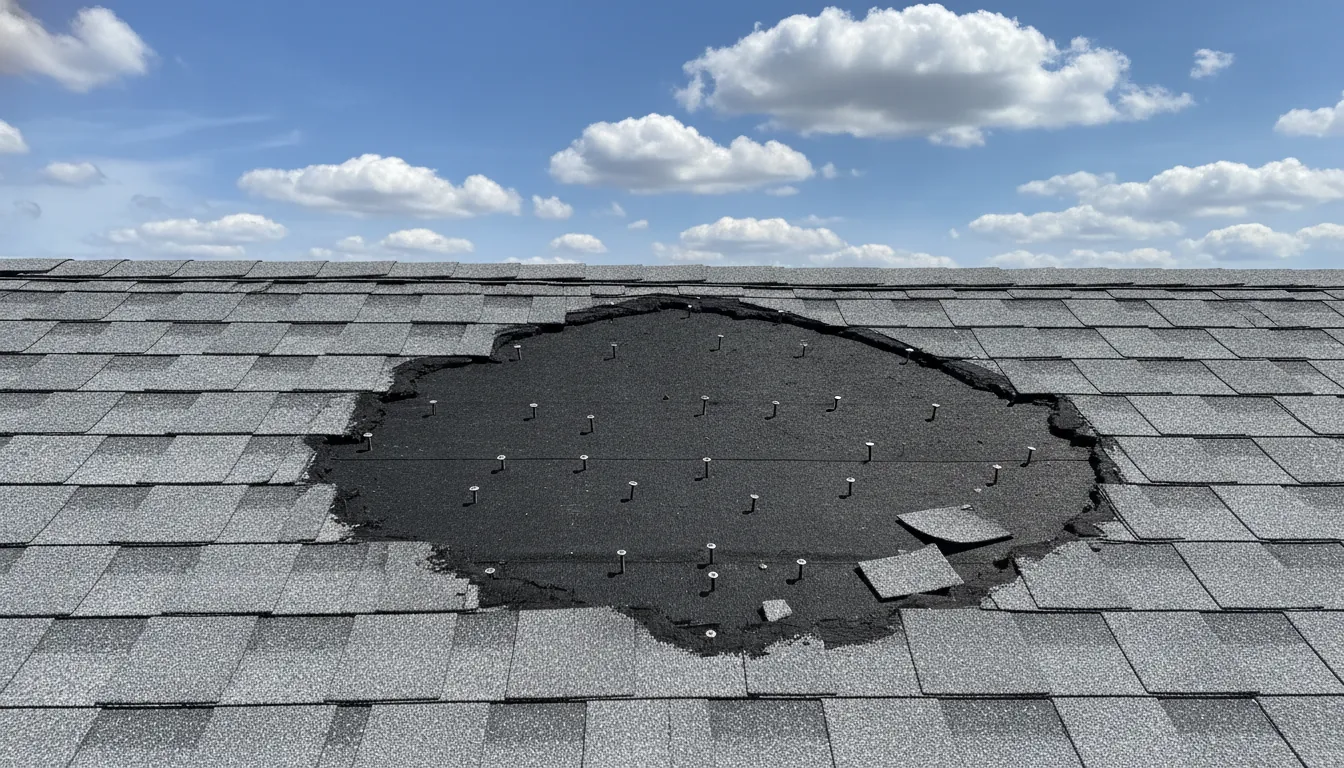
A lot of roof problems are local to one spot: a few shingles gone from a ridge, a pipe boot split by years of sun, a nail that has backed out and lifted a tab. Those are repairs, not replacements, and we treat them that way.
Repairs, storm checks, leak tracing and new shingle roofs for the houses near Main Street and the farm roads around town.
Bulldog Roofing Upstate serves Honea Path, at the southeast corner of Anderson County, and the country around it. We repair roofs, check them after storms, trace leaks, put on new shingle roofs, and inspect any of them for free. If your address is near the county line, call and ask.
Honea Path was chartered in 1855 and grew as a stop on the railroad, which at one point brought two depots and two lines to town. The Chiquola Mill ran from 1903 to 2003, and much of the town grew up around it, so the housing spans the railroad years, the mill years and everything built since.
What is left is a small town of 3,686 people as of 2020, with older brick and frame houses near Main Street, mill-era homes, and country places out on the farm roads. It sits about 16 miles southeast of Anderson, and the highway from Belton runs straight in. For a free inspection, tell us about the roof on our contact page or call (864) 702-2478.
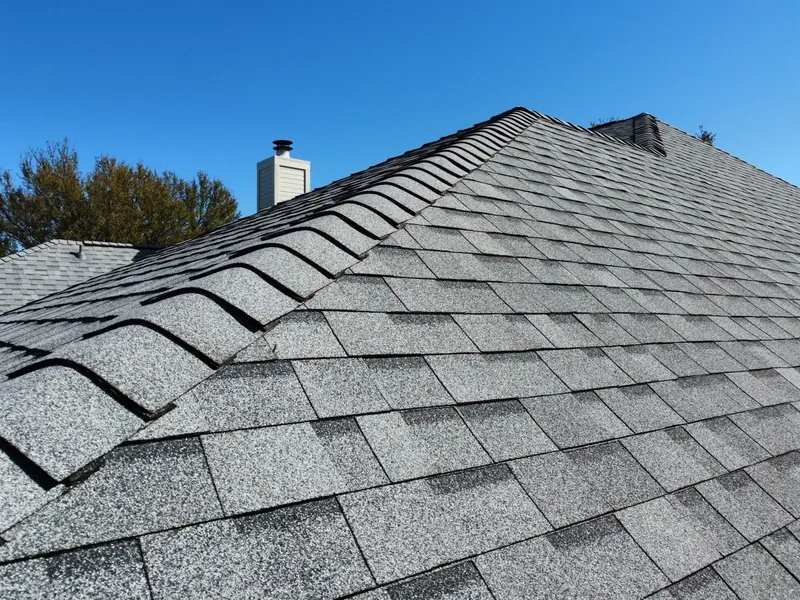
A lot of roof problems are local to one spot: a few shingles gone from a ridge, a pipe boot split by years of sun, a nail that has backed out and lifted a tab. Those are repairs, not replacements, and we treat them that way.
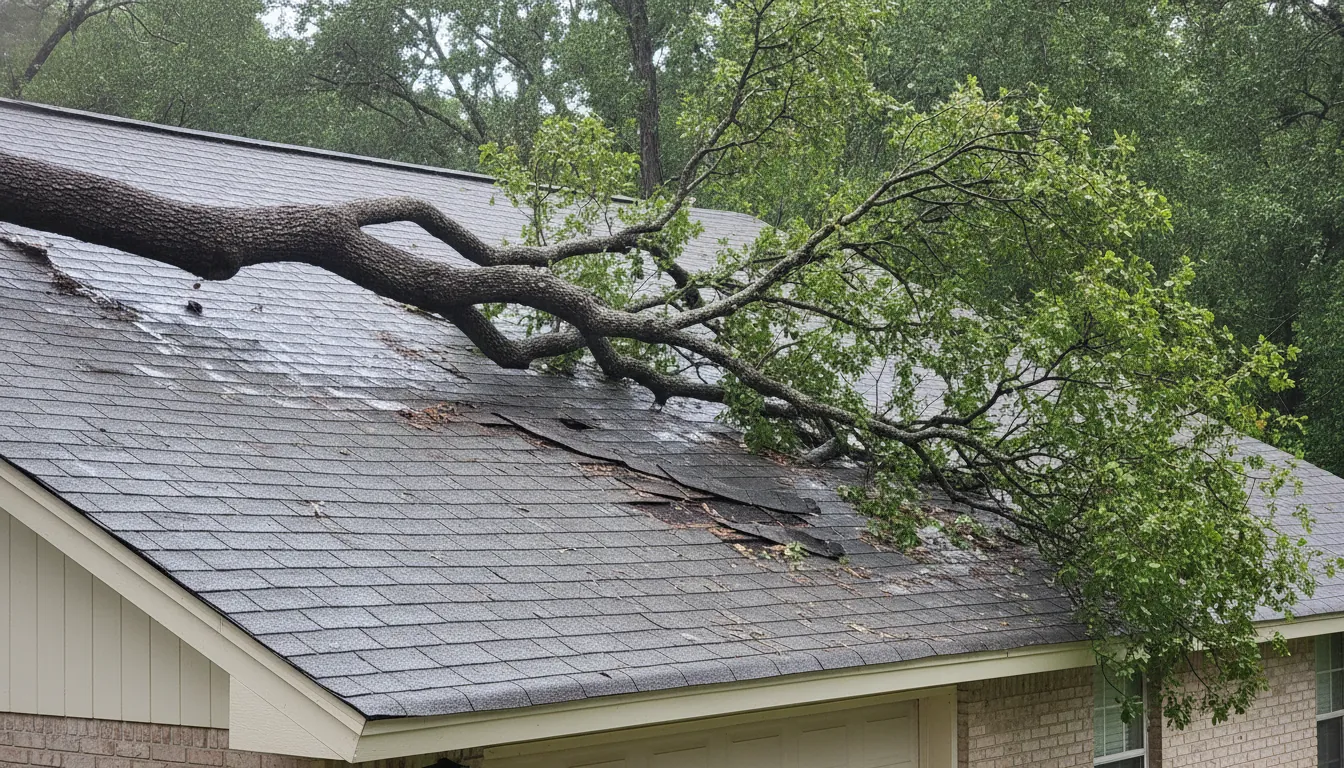
On a country lot with open ground around the house, a line of thunderstorms can push hard wind across a roof with little to slow it down. Wind lifts and creases shingles along the edges and ridge, and hail bruises them. We get up on the roof and look for both, then explain what is storm damage and what is just age.
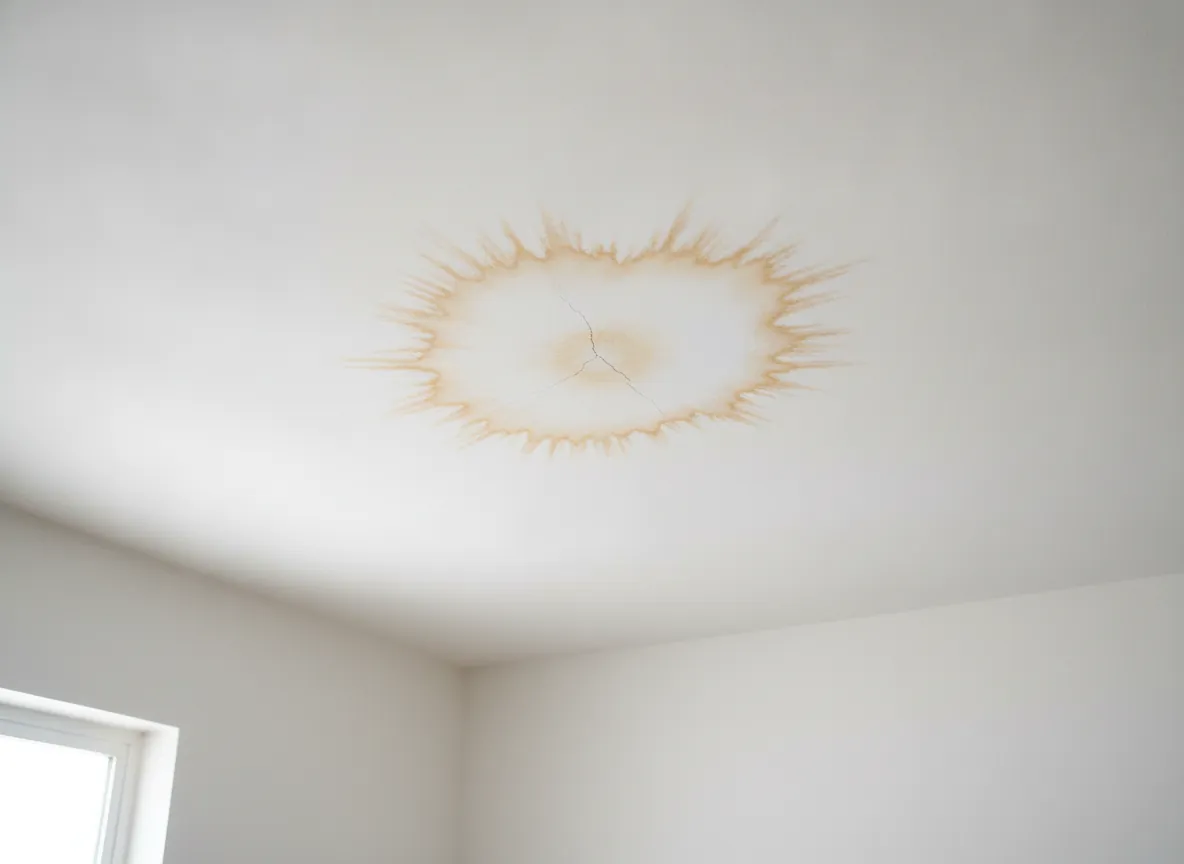
A ceiling stain in a Honea Path house can be several feet from the hole that caused it, because water runs along the decking and rafters before it drops. We trace it back through the attic to the real entry point, whether that is flashing, a vent, a valley or a damaged shingle.
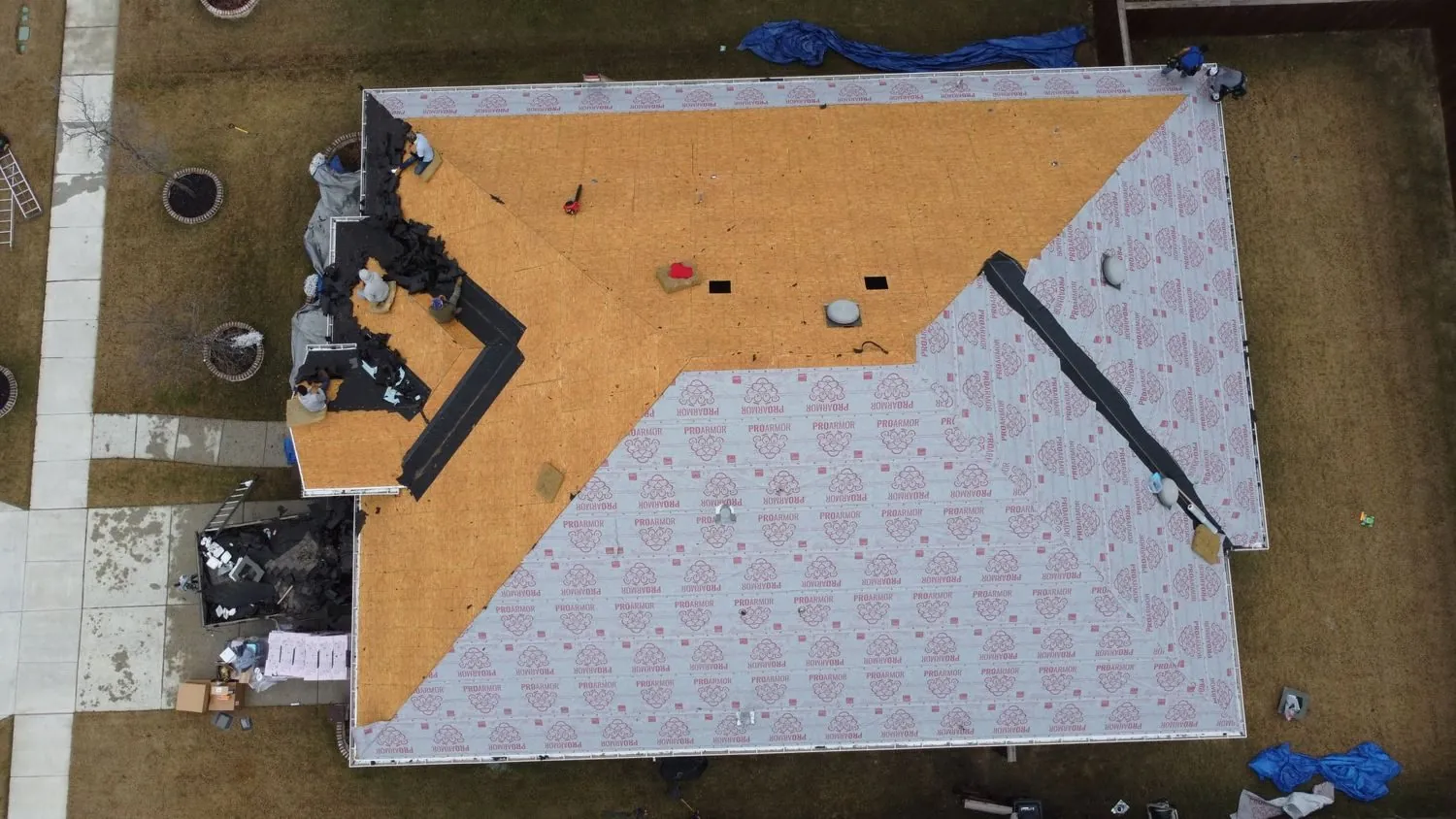
When the whole roof is worn, it comes off to the deck. That is the time to check each run of decking, and the agreed scope says what gets replaced before new underlayment, drip edge, flashing, ventilation and architectural shingles go on.
Free roof inspections are the fifth service, so every one of our services is available in Honea Path; see the services overview for more.
The older houses near Main Street were built when roofs were steep and attics were mostly left alone. Steep is good for shedding water, but a poorly vented attic bakes shingles from underneath through a South Carolina summer, which shortens their life. A re-roof is a good time to ask whether the attic can breathe, and to add intake and exhaust where it cannot.
Country houses out on the farm roads face a different problem: exposure. With fewer trees and buildings around, wind reaches the roof at full strength, and the first shingles to go are usually along the rakes and the ridge. Proper starter strips, correct nailing and good ridge caps are what keep a roof in open country from peeling in a storm.
Low-slope sections deserve a mention too. Back porches and carports added onto older houses here were often roofed at a pitch that is too shallow for shingles, and those are the spots where water backs up under the laps in a hard rain. If a stain keeps appearing near the back of the house, that is a good place to look first.
Pipe boots deserve a mention on any house here with a long sun exposure. The rubber collar around a plumbing vent dries out and cracks after enough summers, and because it sits in the middle of a slope, the water it lets in often shows up somewhere else on the ceiling. Replacing a cracked boot is a small repair that heads off a bigger one.
Where there are trees, they bring their own wear. Shaded north slopes hold moisture longer, grow algae streaks and moss, and stay soft longer after a rain. Clearing branches back from the roof helps a lot. Our roof inspection service page lists what we check on any visit.
Houses inside town limits and houses out in the county can go to different offices for a building permit, so settle which one covers your address before a re-roof begins.
Repair or replacement comes down to age, the decking and how many problems there are. If one storm took a few shingles off a sound roof, a repair is the right answer. If the shingles are worn thin everywhere and the leaks keep moving, patching will just keep costing you.
The town is in the middle of a long reinvention since the mill closed. Main Street has seen new life, and there are plans to move City Hall back into a restored historic building downtown. For homeowners, that kind of change often means older houses being bought, fixed up and lived in again, and a roof is usually one of the first things a new owner needs to understand. An inspection before or soon after buying tells you whether the roof is a near-term project or something that can wait.
Some of the houses here were built during the farming years, before the mill, and others came with the mill and the railroad. Brick homes from those years tend to have solid walls and tired roofs, with chimneys and flashing that have been patched many times. Those are the first places to check when a leak shows up in one of them.
Plaster ceilings in older homes hide water longer than drywall does, and a stain may only show once the leak has been running for a while. If you see a brown ring, a bulge or flaking paint near an outside wall, it is worth having the roof above it checked before the next hard rain. Our roof leak repair page explains how water is followed back to where it gets in.
We serve Honea Path and the farm roads around it. If your address is near the county line, call and ask.
That comes down to what failed and where it sits on the roof. A cracked pipe boot on a low roof is a small job; flashing around a chimney on a steep roof, or damage that reaches the decking, takes more. After an inspection you get a price for the specific repair your roof needs.
The brick walls usually outlast several roofs. The trouble spots are chimney flashing that has been patched many times, porch or back-room roofs at too low a pitch, and attics with little ventilation that bake the shingles from below.
Ask anyone you are considering to explain what they found on your roof and show you where. Get the scope of work in writing, ask what happens if they uncover bad decking, and be wary of anyone pushing you to sign the same day a storm passes.
Fixing the actual cause early. A small flashing or shingle repair costs far less than the rotten decking and ceiling damage that follow a leak left alone. Covering problems with sealant usually just delays the real repair.
Older houses often have board decking and plaster or drywall that soak up water for a long time before a stain appears. By then the decking, insulation and framing may be damaged too, which turns a small repair into a larger one.